Giving From the Ground Up: What Everyday Philanthropists Are Teaching Foundations About Generosity
When Anyone Can Be a Grantmaker
For most of the twentieth century, philanthropy in America followed a recognizable script. Wealth accumulated, foundations were established, and professional program officers determined which organizations were worthy of support. The process was orderly, credentialed, and largely inaccessible to anyone who hadn't first achieved a certain financial threshold. That script is being rewritten.
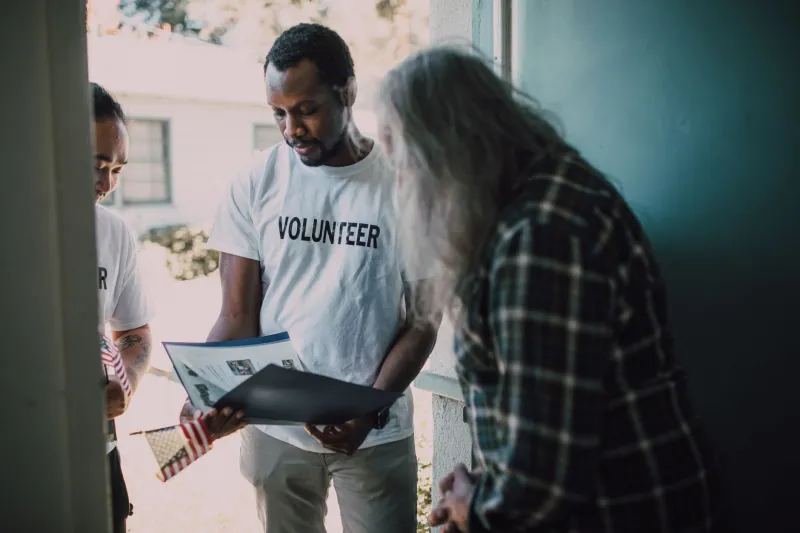
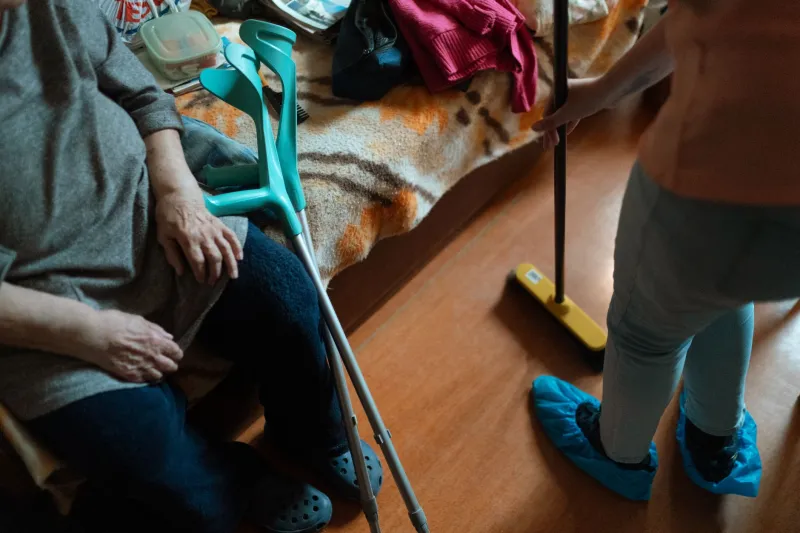
Across the country, people with no background in nonprofit management, no endowment, and no staff are launching their own giving initiatives. A schoolteacher in rural Ohio organizes an annual community auction that funds school supplies for low-income students. A retired postal worker in Memphis creates a neighborhood fund that covers emergency utility bills for elderly residents. A group of colleagues at a mid-size manufacturing firm in Indiana pools a portion of their paychecks each quarter to support a local food pantry. None of these individuals would describe themselves as philanthropists. Yet that is precisely what they are.
This phenomenon—sometimes called grassroots philanthropy, peer-to-peer giving, or simply accidental generosity—is expanding in ways that formal institutions are only beginning to measure. And for foundations committed to genuine community development, it carries lessons that no conference panel or academic study can fully replicate.
The Proximity Advantage
What distinguishes these informal giving initiatives from their institutional counterparts is not their scale but their vantage point. The schoolteacher knows which students are too ashamed to ask for help. The retired postal worker knows which neighbors will refuse charity unless it is framed as a community loan. The workplace giving group knows that the food pantry's greatest need isn't canned goods but refrigeration repair.
This kind of knowledge—granular, relational, and often invisible to outside observers—is precisely what many foundations spend considerable resources trying to acquire. Community listening sessions, participatory needs assessments, and resident advisory committees are all valuable tools. But they are, at some level, attempts to approximate what grassroots philanthropists already possess by virtue of living alongside the people they seek to help.
Foundations that recognize this dynamic are beginning to shift how they engage with informal giving networks. Rather than treating them as junior partners or overlooking them entirely, some are actively seeking to understand the intelligence these networks carry—and to build relationships that allow that intelligence to inform larger grant-making decisions.
Competition or Collaboration?
It would be tempting to view the rise of individual giving initiatives as a threat to established foundations—a fragmentation of charitable energy that dilutes impact and duplicates effort. That framing, however, misunderstands the nature of generosity. Americans do not give because institutions tell them to. They give because they feel connected to a cause, a neighbor, or a community. Informal giving initiatives are not drawing resources away from foundations; in many cases, they are cultivating the civic habits that make larger philanthropic investment more effective.
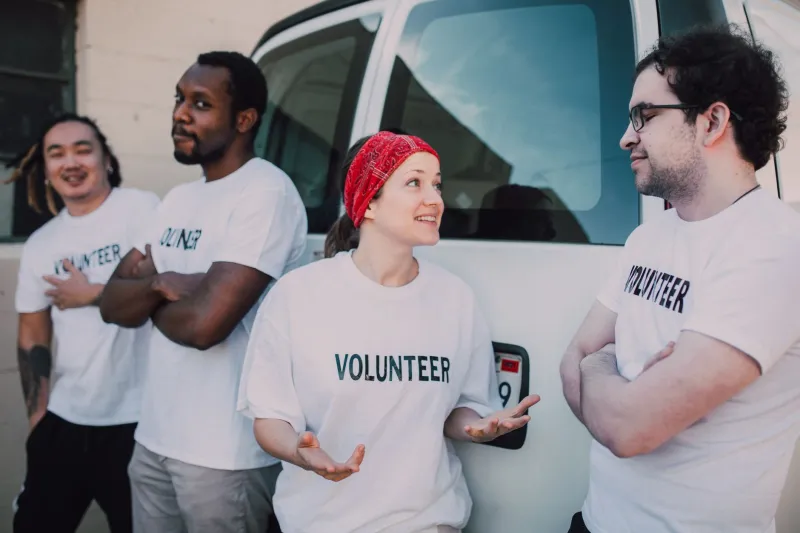
The more productive question is not whether foundations and grassroots philanthropists are competing for the same dollars, but whether they are aligned in purpose. When they are, the potential for collaboration is substantial. A foundation with significant capital but limited community trust can partner with a neighborhood giving circle that has deep roots and no resources. The foundation provides funding stability; the giving circle provides legitimacy and local knowledge. Both parties benefit. More importantly, the community benefits.
Some foundations are formalizing these partnerships through fiscal sponsorship arrangements, capacity-building grants, and co-governance models that give informal groups a genuine seat in the decision-making process. Others are learning from grassroots initiatives when designing new programs—studying what worked, what didn't, and why the community responded the way it did.
What Decentralized Giving Reveals
Beyond the practical value of collaboration, the rise of everyday philanthropists reveals something important about how Americans actually want to give. They want to give locally. They want to see the results. They want the process to feel personal rather than bureaucratic. And they want to trust that their contribution is reaching the people it was meant to help, without passing through layers of administration that can feel opaque or distant.
These preferences are not a critique of professional philanthropy. They are, rather, a reflection of what motivates human generosity in the first place. Foundations that take these preferences seriously—that design their programs and communications to honor the relational dimensions of giving—tend to attract broader community participation and generate deeper loyalty among the donors and partners they work with.
There is also a demographic dimension worth noting. Many of the individuals launching informal giving initiatives are younger, more racially and ethnically diverse, and less connected to traditional wealth than the donors who have historically anchored institutional philanthropy. They are giving in ways that reflect their own cultural values and community relationships, often through digital platforms, mutual aid networks, or faith communities. Foundations that want to remain relevant across generations would do well to understand and engage with this emerging philanthropic landscape.
Building Toward a More Inclusive Philanthropy
At Lunt Foundations, the principle that communities are built from within—not imposed from without—shapes everything we do. The growth of everyday giving initiatives affirms that principle in the most direct way possible. When a neighbor decides to take responsibility for the well-being of other neighbors, something foundational is happening. It is not merely charitable. It is civic.
The task for established foundations is not to absorb or formalize this energy, but to honor it—to create the conditions in which grassroots generosity can flourish alongside, and in partnership with, institutional support. That means being willing to learn as well as to lead. It means recognizing that the most transformative philanthropic act is sometimes not a large grant but a genuine conversation.
The accidental philanthropist did not set out to change the field. But in choosing to give from where they stand, with what they have, for people they know, they are demonstrating something that no foundation handbook can teach: that generosity, at its core, is not a function of wealth. It is a function of care.