The Invisible Workforce: Philanthropy's Unfinished Obligation to America's Family Caregivers
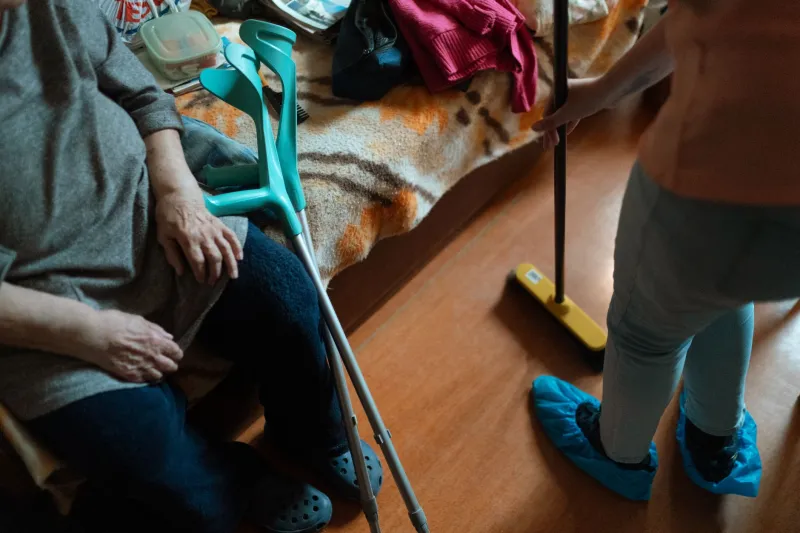
She leaves the office at five, stops at her mother's apartment to administer medications and prepare dinner, arrives home at seven to help her youngest with homework, and is back at her desk by ten to finish the report that was due that afternoon. She does this five days a week. She has not taken a vacation in three years. She does not describe herself as a caregiver. She describes herself as a daughter who is trying to hold everything together.
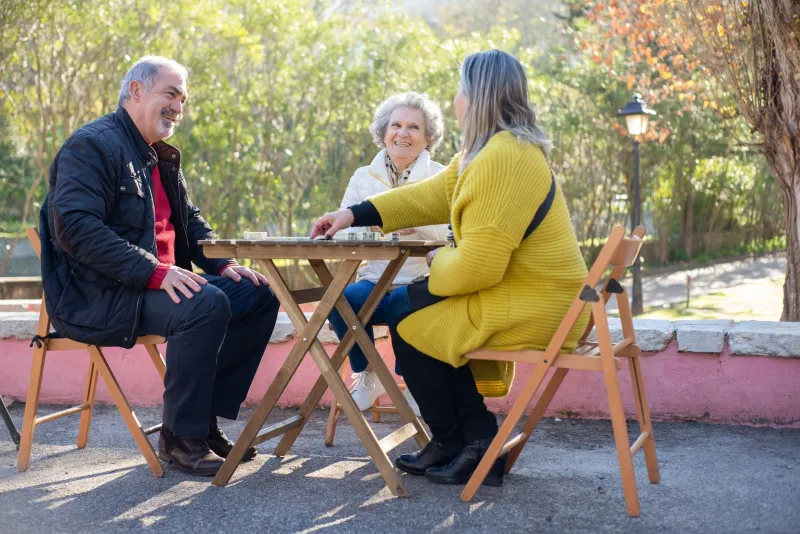
This woman is not unusual. By most estimates, more than 53 million Americans provide unpaid care to a family member—a child with a disability, an aging parent, a spouse managing chronic illness, a grandchild in kinship placement. Of those millions, the majority are also employed. They are teachers, warehouse workers, nurses, administrative assistants, and executives. They are performing what researchers have taken to calling "the second shift"—a full round of demanding, skilled, emotionally intensive labor that begins the moment the paid workday ends.
And they are, by nearly every measure, on their own.
A Crisis Hidden in Plain Sight
The scale of family caregiving in the United States is difficult to overstate. AARP estimates that unpaid family caregivers contribute roughly $600 billion worth of care annually—a figure that dwarfs total Medicaid spending on long-term services and supports. This labor is what makes the formal healthcare and social services system function at all. Without it, the system would collapse.
Yet family caregivers remain largely absent from philanthropic agendas. Foundations fund hospitals, clinics, mental health programs, and elder care facilities. They invest in early childhood education and disability services. What they fund far less frequently is the person standing at the center of all these systems, coordinating care, absorbing crisis, and absorbing the personal costs of doing so without compensation, recognition, or relief.
The consequences of this neglect are measurable and serious. Caregivers report significantly higher rates of depression, anxiety, and physical illness than non-caregivers. They are more likely to have depleted savings, reduced retirement contributions, and diminished career trajectories. They are, in the language of public health, a population under sustained, compounding stress—and they are largely invisible to the philanthropic sector that might otherwise intervene.
What Caregiver Support Actually Requires
Effective philanthropic investment in family caregivers does not begin with a single program type. It begins with a recognition that caregiving is work—skilled, consequential, and deserving of the same serious investment that foundations routinely direct toward formal labor and professional development.
From that recognition, several categories of support emerge as particularly high-impact.
Respite care is perhaps the most immediate need. Respite—temporary relief from caregiving responsibilities—allows caregivers to rest, attend medical appointments, maintain employment, and sustain the relationships outside the caregiving role that protect against burnout and isolation. Community-based respite programs, which pair trained volunteers or paid aides with care recipients for defined periods, are chronically underfunded. Foundations that have entered this space report that demand consistently exceeds capacity, often by wide margins.
Peer support networks address a different dimension of the crisis. Caregiving is profoundly isolating. The logistics of managing another person's needs leave little time for social connection, and the emotional weight of the role can be difficult to explain to those who have not experienced it. Peer-led support groups—whether meeting in person, by phone, or through structured online platforms—provide caregivers with something that professional services rarely can: the knowledge that they are not alone, and the practical wisdom of others navigating similar terrain. Funding these networks is inexpensive relative to their impact.
Workplace policy advocacy represents a longer-horizon but critically important investment. Many caregivers are forced to choose between employment and caregiving not because they lack the will to manage both, but because their workplaces offer no flexibility to accommodate the unpredictable rhythms of care. Foundations are beginning to fund advocacy organizations that work with employers to adopt caregiver-inclusive policies—flexible scheduling, paid family leave, employee assistance programs with caregiver-specific resources. These changes benefit employers as well, reducing turnover among experienced employees who would otherwise exit the workforce entirely.
Navigation and coordination support addresses the staggering complexity of modern caregiving systems. Connecting a care recipient to the right combination of medical, social, and financial services requires knowledge, time, and persistence that many caregivers simply do not have. Community-based care navigators—often funded through Area Agencies on Aging or community health organizations—can dramatically reduce this burden. Philanthropic investment in expanding and sustaining these roles has a multiplier effect across every other system the caregiver is managing.
Why Philanthropy Has Been Slow to Respond
The funding gap in caregiver support is not accidental. It reflects several structural features of how philanthropy tends to organize itself.
Caregiving does not fit neatly into a single issue category. It intersects with aging, disability, workforce development, mental health, and economic mobility simultaneously. Foundations organized around discrete issue areas may each consider caregiver support to be another program area's responsibility—and as a result, no one claims it fully.
Additionally, family caregivers are not a constituency that typically advocates loudly for themselves. The nature of the role militates against self-advocacy: caregivers are busy, exhausted, and often conditioned to regard their own needs as secondary. They do not form powerful lobbying coalitions or generate compelling campaign narratives. They simply keep going until they cannot.
Finally, there is a cultural dimension that philanthropy has been slow to interrogate. The expectation that families—and particularly women within families—will absorb caregiving labor without complaint or compensation is deeply embedded in American social norms. Funding caregiver support can feel, to some philanthropic leaders, like funding something that families should simply provide. This assumption is both empirically false and morally untenable given what is known about the cost caregiving extracts.
A Call for Structural Commitment
Addressing the caregiver crisis requires more than isolated grants to respite programs or one-time investments in peer support. It requires foundations to treat caregiving as a legitimate domain of philanthropic concern—one that warrants dedicated funding streams, cross-sector collaboration, and sustained attention over time.
The communities that Lunt Foundations and organizations like it exist to serve are built on the labor of people who show up, day after day, for those who cannot fully care for themselves. Supporting the people who perform that labor is not peripheral to the mission of community development. It is central to it.
Until philanthropy fully recognizes that, the invisible workforce will remain invisible—and the communities that depend on it will continue to pay the price.