Wired for Togetherness: How Foundations Are Funding the Infrastructure of Human Connection
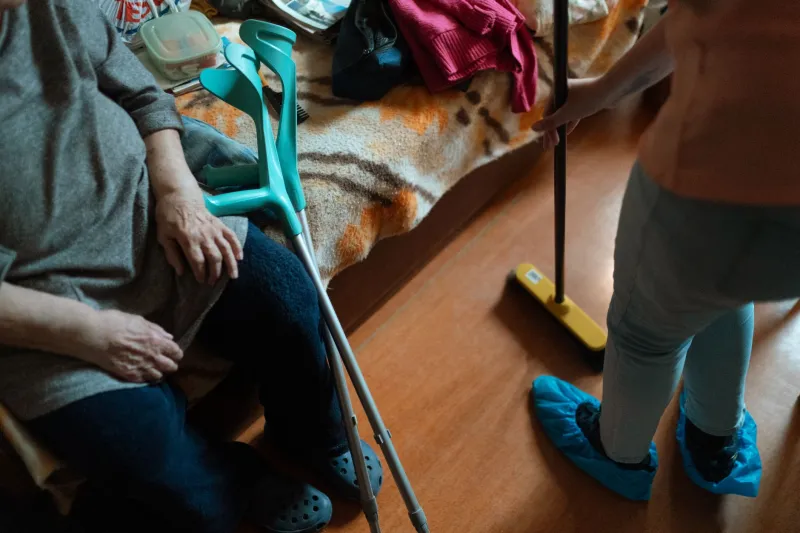
In 2023, the U.S. Surgeon General issued an advisory that used language rarely associated with public health reports: the nation, it declared, was suffering from an epidemic of loneliness. The statistics accompanying that declaration were arresting. Roughly half of American adults reported measurable levels of social isolation. The health consequences—elevated risks of heart disease, dementia, and premature death—were described as comparable to smoking fifteen cigarettes a day. And yet, for all the attention the report generated, the philanthropic response remained largely confined to a familiar category: mental health funding.
That framing, while well-intentioned, may be missing the deeper problem.
A Problem of Infrastructure, Not Just Psychology
Loneliness is not simply a psychological condition to be treated in clinical settings. It is, in significant measure, a consequence of how American communities have been designed—and, in many cases, dismantled—over the past half century. The corner stores are gone. The union halls are shuttered. The civic clubs have aged out of membership. The third places that sociologist Ray Oldenburg once described as the informal gathering grounds of democratic life—neither home nor workplace—have been steadily eroded by suburban sprawl, economic consolidation, and the acceleration of digital life.
What has replaced them is not community. It is proximity without connection: apartment buildings full of strangers, subdivisions where neighbors share a street but not a sentence.
A growing cohort of philanthropic leaders is beginning to argue that addressing this reality requires something more fundamental than therapy referrals or wellness apps. It requires rebuilding the physical and social architecture within which human relationships can naturally take root.
What Connection Infrastructure Actually Looks Like
The term "connection infrastructure" may sound abstract, but the investments it describes are concrete and, in many cases, modest in cost. Foundations that are pioneering this approach are funding a diverse range of assets.
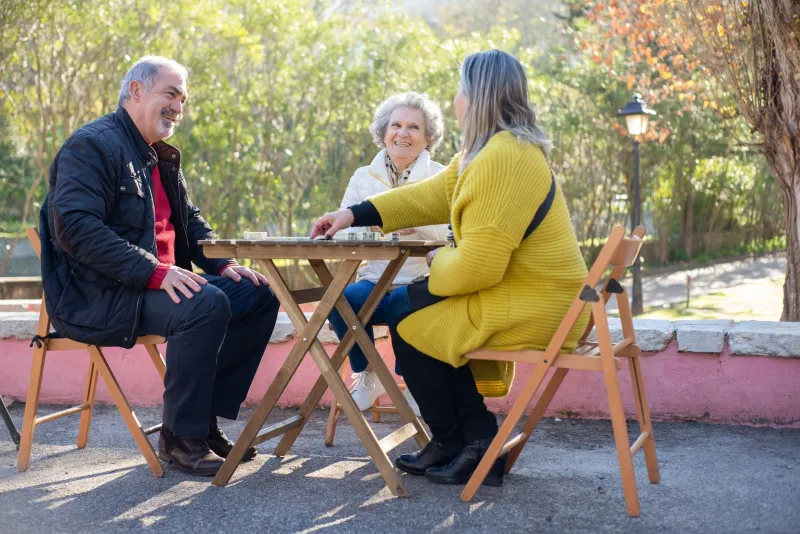
Accessible gathering spaces represent one of the most direct interventions. Community rooms within affordable housing developments, reclaimed storefronts converted into neighborhood commons, and renovated park pavilions equipped for year-round use all serve a deceptively simple function: they give people somewhere to be together. The key word is accessible—these spaces are designed without membership fees, without programming requirements, and without the cultural gatekeeping that makes many formal community institutions feel unwelcoming to residents who did not grow up using them.
Structured spontaneity programs are another emerging category. These are low-barrier, recurring activities—free community dinners, neighborhood seed swaps, drop-in game nights, amateur repair workshops—that create predictable occasions for interaction without demanding commitment. The research behind this model is compelling. Studies on the formation of social bonds suggest that repeated, unplanned encounters in shared spaces are among the most reliable catalysts for genuine friendship. Foundations are funding the operational costs of these programs precisely because they generate no revenue and attract no corporate sponsors, yet deliver measurable reductions in reported isolation among participants.
Connector roles within communities are also receiving renewed philanthropic attention. Some foundations are funding what might be called community weavers—individuals employed specifically to build relationships across social networks, introduce isolated residents to existing resources, and identify informal leaders who can anchor neighborhood cohesion. These positions, once common in settlement houses and neighborhood associations, have largely disappeared from underfunded communities. Restoring them is not nostalgia; it is evidence-based investment.
The Accessibility Imperative
Any serious effort to address social isolation must grapple with the barriers that make connection inaccessible to those who need it most. Disability, irregular work schedules, lack of transportation, language difference, and the accumulated weight of economic stress all function as walls between people and the communities around them.
Foundations leading in this space are building accessibility into their funding criteria from the outset. Grants for gathering spaces increasingly require ADA compliance and multilingual programming. Investments in community events specify that childcare must be provided, that scheduling must account for shift workers, and that locations must be reachable by public transit or served by organized carpooling.
This is not merely an equity consideration, though it is certainly that. It is also a recognition that connection infrastructure which excludes the most isolated residents is infrastructure that fails at its core purpose.
Measuring What Matters
Philanthropy has long struggled with how to quantify social outcomes, and connection is among the most resistant to easy measurement. How does a foundation report to its board that a Tuesday evening potluck dinner in a church basement reduced loneliness? How does it demonstrate return on investment for a community room that simply remains unlocked and available?
Some foundations are turning to validated survey instruments—the UCLA Loneliness Scale, the Social Connectedness Index—to establish baselines and track change over time. Others are investing in qualitative documentation, capturing the stories of residents whose lives have shifted as a result of a new relationship formed in a philanthropically funded space.
What is becoming clearer, however, is that the absence of a clean metric should not be treated as evidence that an investment is not working. The communities that feel most alive—most resilient in the face of crisis, most capable of collective action—are those in which neighbors know one another's names. That knowledge does not appear on a balance sheet. But its absence costs everything.
A Long Overdue Reckoning
Philanthropy did not create the conditions that produce mass loneliness in America. Decades of policy decisions, market forces, and cultural shifts bear far greater responsibility. But foundations occupy a unique position: they can fund what government will not prioritize and what markets cannot monetize. In that space lies an extraordinary opportunity.
Investing in connection infrastructure is not a soft or supplementary philanthropic strategy. It is a foundational one—in every sense of the word. Communities that lack the places and occasions for human encounter cannot fully benefit from any other investment made in their name. Health programs, economic development initiatives, and educational interventions all perform better when the people they serve are embedded in webs of mutual support and trust.
The epidemic of loneliness is real, and it is expensive. The infrastructure of human connection is the least glamorous and most essential investment philanthropy can make.